
Introduction to Virtual Reality in Business
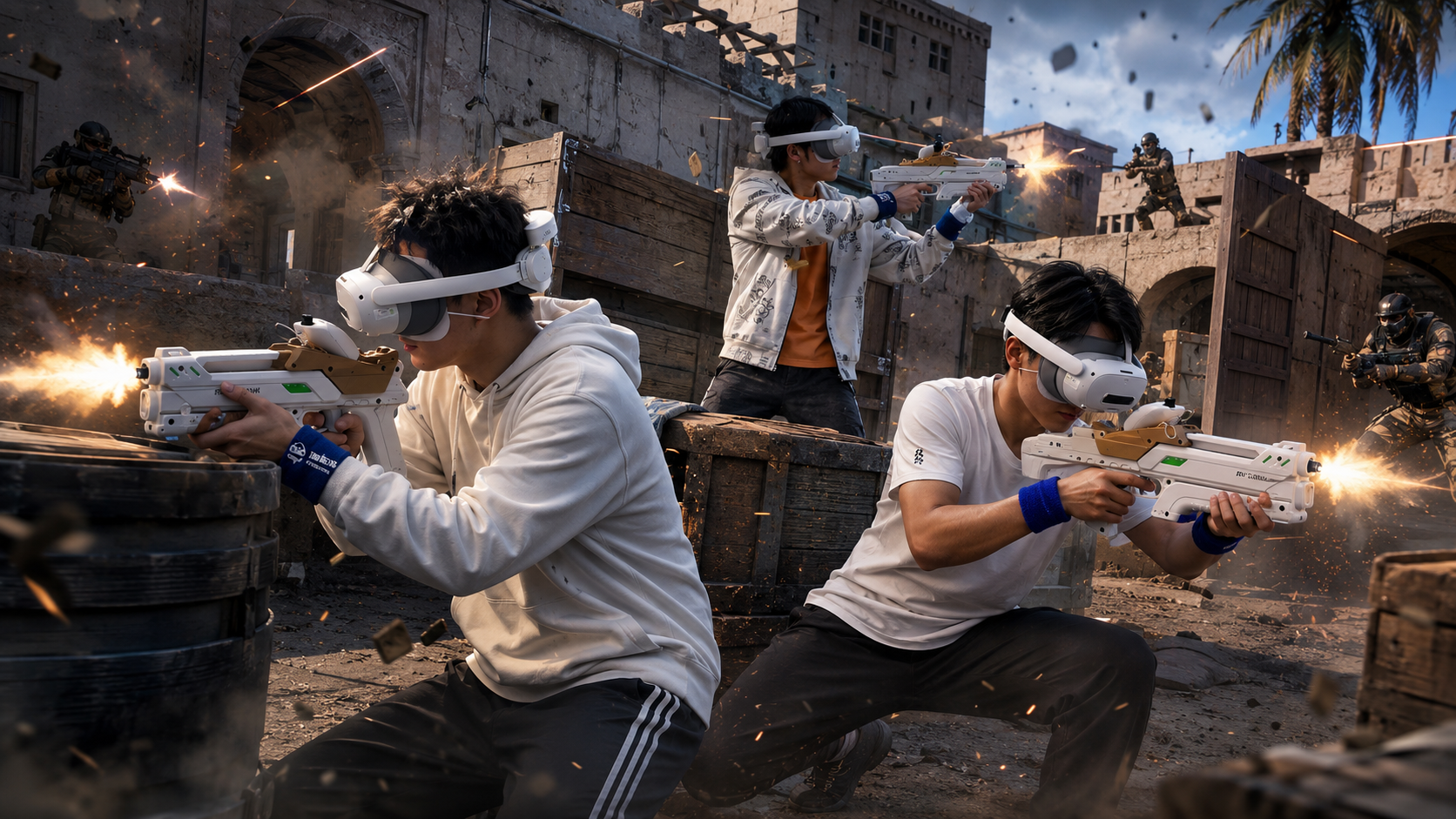
Virtual reality (VR) technology has rapidly evolved over recent years, significantly impacting various sectors, including entertainment, education, healthcare, and real estate. This sophisticated technology creates immersive experiences by simulating a three-dimensional environment that users can interact with via special headsets and sensory devices. As businesses seek innovative solutions to enhance customer engagement and operational efficiency, VR is emerging as a vital tool across different industries.
In the realm of entertainment, particularly gaming, VR has revolutionized how users interact with digital content. Traditional gaming experiences are being transformed into highly immersive environments where players can physically move and engage with the game world. This heightened level of interactivity is paving the way for new business models, with VR arcade franchises becoming a focal point in the entertainment industry. These franchised arcades offer consumers the chance to experience advanced VR technology in a social setting, showcasing the potential for collaboration and enjoyment among friends and family.
Aside from entertainment, the applications of virtual reality extend to training and education. Organizations are utilizing VR to create training simulations that allow employees to practice real-world scenarios in a safe and controlled environment. This not only enhances learning outcomes but also increases retention and skill acquisition. As various business sectors begin to understand the capabilities of VR technology, the demand for VR arcade franchises is likely to grow, presenting a lucrative opportunity for entrepreneurs and investors alike.
What is a VR Arcade?
A VR arcade is a specialized venue where individuals can immerse themselves in virtual reality experiences using sophisticated equipment. Unlike traditional gaming establishments that primarily focus on console or computer gaming, VR arcades provide a multi-sensory environment where players can engage in virtual worlds across various genres, including action, adventure, simulations, and educational experiences. This distinction allows VR arcades to attract a diverse audience, ranging from gaming enthusiasts to casual players and families looking for unique leisure activities.
The centerpiece of VR arcades is the advanced technology that enables these immersive experiences. Participants typically wear VR headsets that create a 360-degree view of the virtual environment, allowing them to interact with the digital space in a natural and intuitive manner. In addition to headsets, VR arcades often incorporate motion tracking sensors, haptic feedback devices, and even treadmills designed for omnidirectional movement. This technological synergy lifts the gaming experience to unprecedented heights, making virtual reality more engaging compared to conventional gaming formats.
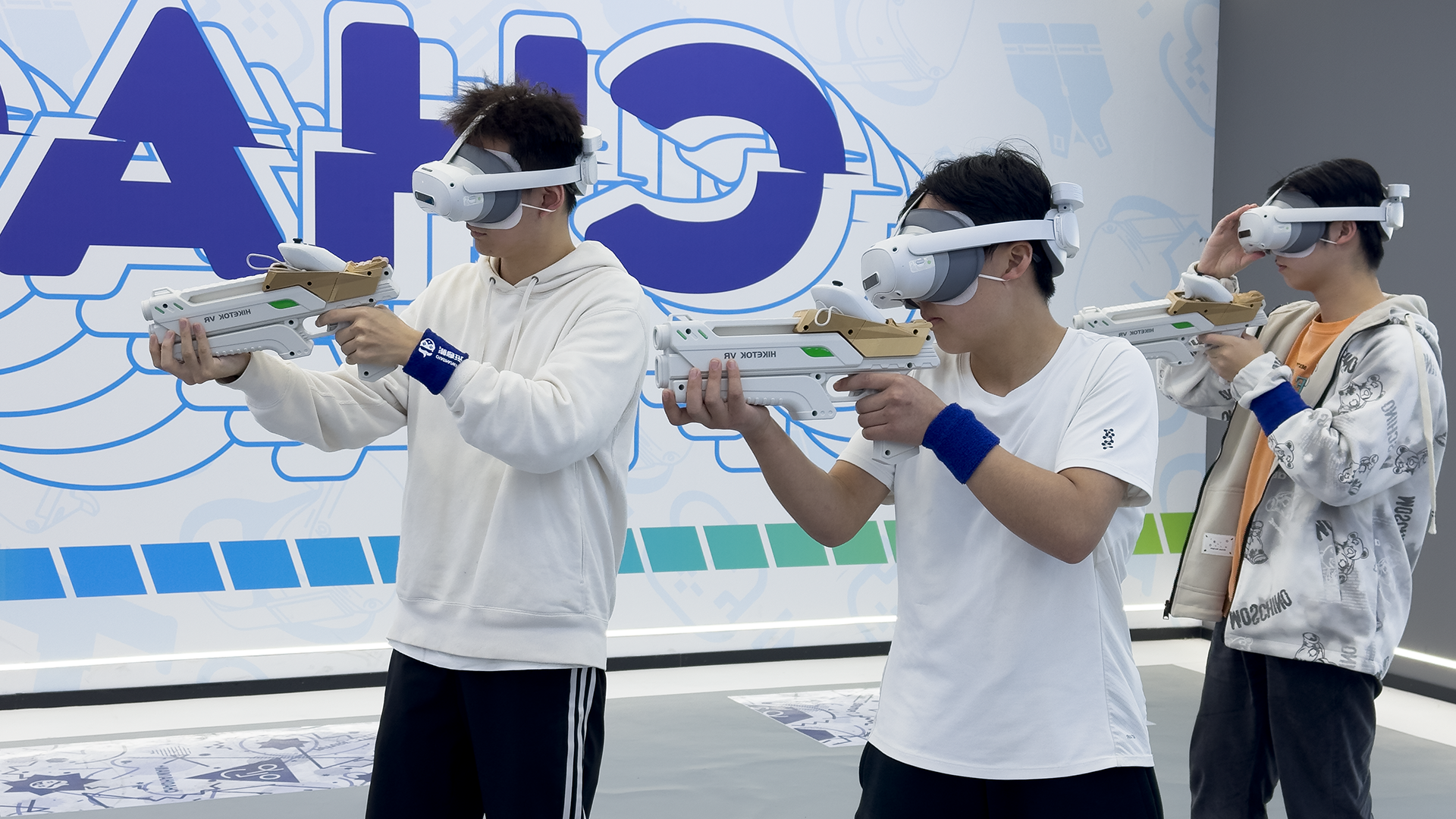
In addition to solo gaming opportunities, VR arcades often provide cooperative and competitive multiplayer experiences. This social aspect is a significant draw, as it allows friends or family members to immerse themselves in the same game, enhancing both the excitement and interaction. Furthermore, VR arcades typically curate a diverse library of games and experiences, providing users with a plethora of options to explore. Many establishments also offer additional features such as tutorials, which can help newcomers acclimate to the technology and gameplay mechanics.
The Rise of VR Arcade Franchises
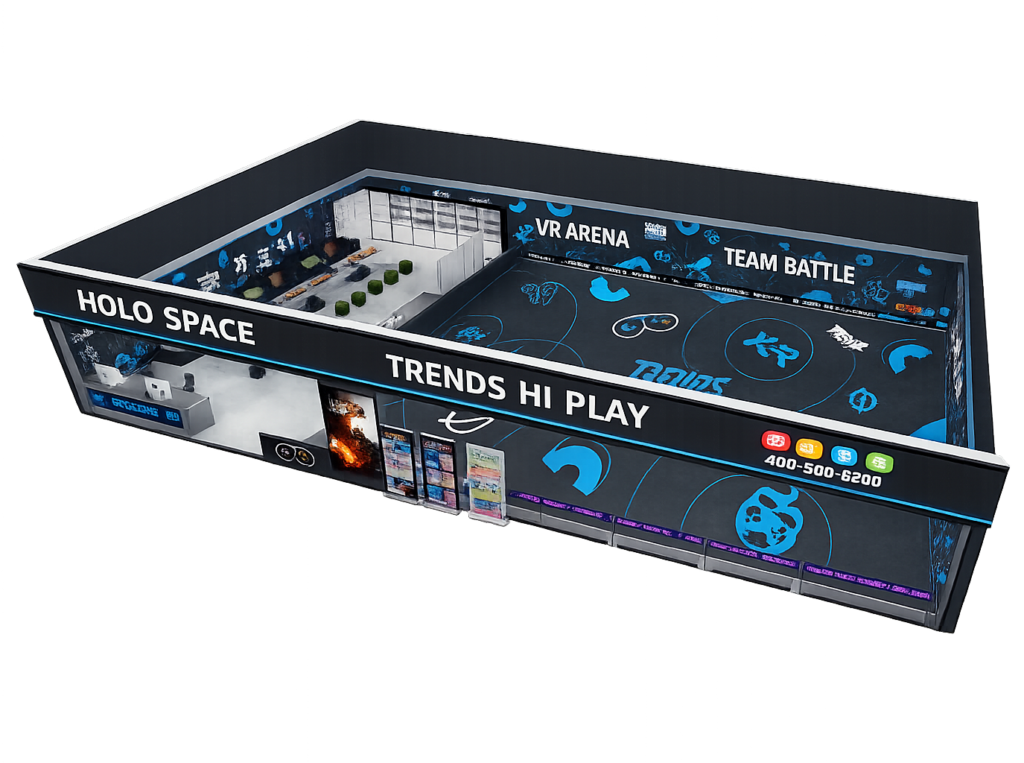
In recent years, the virtual reality business has experienced an unprecedented surge in interest, particularly in the realm of VR arcade franchises. Leading platforms such as HoloSpace VR have demonstrated how cutting-edge immersive entertainment can be effectively commercialized. This phenomenon can be attributed to several factors, including technological advancements, the growing accessibility of VR equipment, and heightened consumer interest in immersive entertainment experiences.
Industry Projection: According to industry statistics, the global VR gaming market is expected to reach $45 billion, with arcade franchises playing a significant role in this development.
One of the key drivers of this growth is the advancement of VR technology itself. With the launch of more affordable and high-quality headsets, consumers have begun to recognize the immersive possibilities that virtual reality offers. These innovations have made it feasible for VR arcade franchises to provide a diverse array of experiences that cater to different tastes and preferences, such as adventure games, simulations, and multiplayer experiences.
Moreover, businesses specializing in VR arcades are capitalizing on consumer trends that favor experiential leisure activities. As studies indicate, today’s consumers increasingly prioritize experiences over material possessions. This shift has led to a growing demand for attractions that provide unique and engaging entertainment options. VR arcade franchises, in turn, have positioned themselves strategically within this market by offering carefully curated games, themed environments, and competitive experiences that enhance customer engagement.
Benefits of Investing in a VR Arcade Franchise
Investing in a virtual reality business, particularly a VR arcade franchise, presents numerous advantages that can appeal to entrepreneurs and investors alike:
High Profitability
Steady foot traffic in urban areas and non-replicable home experiences drive sustained revenue streams and repeat visits.
Unique Customer Experience
Fully immersive environments resonate with families, friend groups, and corporate team-building events.
Franchise Support
Benefit from established brand recognition, lower risks, operational guidance, and structured marketing support.
Challenges and Considerations
Embarking on a venture within the virtual reality business comes with its unique set of challenges that entrepreneurs must strategically manage:
- High Startup Costs: Substantial capital required for cutting-edge VR equipment, spatial infrastructure, and interior build-outs.
- Hardware Maintenance & Obsolescence: Rapid technological evolution necessitates ongoing updates, technical maintenance, and hardware upgrades.
- Home Gaming Competition: Must continually offer distinct social and sensory experiences that cannot be matched by consumer at-home setups.
- Customer Retention: Need for dynamic marketing, loyalty programs, competitive tournaments, and frequent content refreshes.
Customer Experience and Engagement Strategies
To foster long-term loyalty, VR arcade operators should employ strategic approaches focusing on interaction and personalization:
Interactive Personalization: Implementing personalized avatars or tailored game settings helps players build a deeper connection to the experience. Incorporating strong social elements naturally invites group participation and repeat visits.
Loyalty & Rewards Programs: Point-based systems for frequent visits enable customers to redeem discounts or exclusive content, building a strong community around the brand.
Community-Building Initiatives: Hosting local tournaments, themed nights, and competitive leagues creates organic buzz and engages active local gaming communities.
Feedback-Driven Adaptation: Regularly surveying player preferences helps arcades continuously refine their game offerings and stay ahead of consumer expectations.
Technology and Trends Shaping VR Arcades
The VR ecosystem continues to shift rapidly under modern technological developments:
- Next-Gen Hardware: Headsets are becoming lighter, wireless, and visually superior, emphasizing long-term comfort.
- Expanding Software Libraries: Content ranges from high-intensity action to location-based educational and puzzle experiences.
- AR & VR Convergence: Hybrid environments blending digital overlays onto real-world spaces create dynamic, physical gameplay.
Case Studies of Successful VR Arcade Franchises
WarpZone: Built strong brand performance by integrating high-tier hardware with an intuitive interface, backed by an exceptional membership model and service standards.
VR Playland: Differentiated itself by focusing heavily on local community events, esports tournaments, and agile content updates driven by player feedback.
Virtual Arena: Focused on cutting-edge hardware innovations and aggressive digital marketing, leveraging local influencer partnerships to drive steady foot traffic.
Future Outlook for VR Arcades
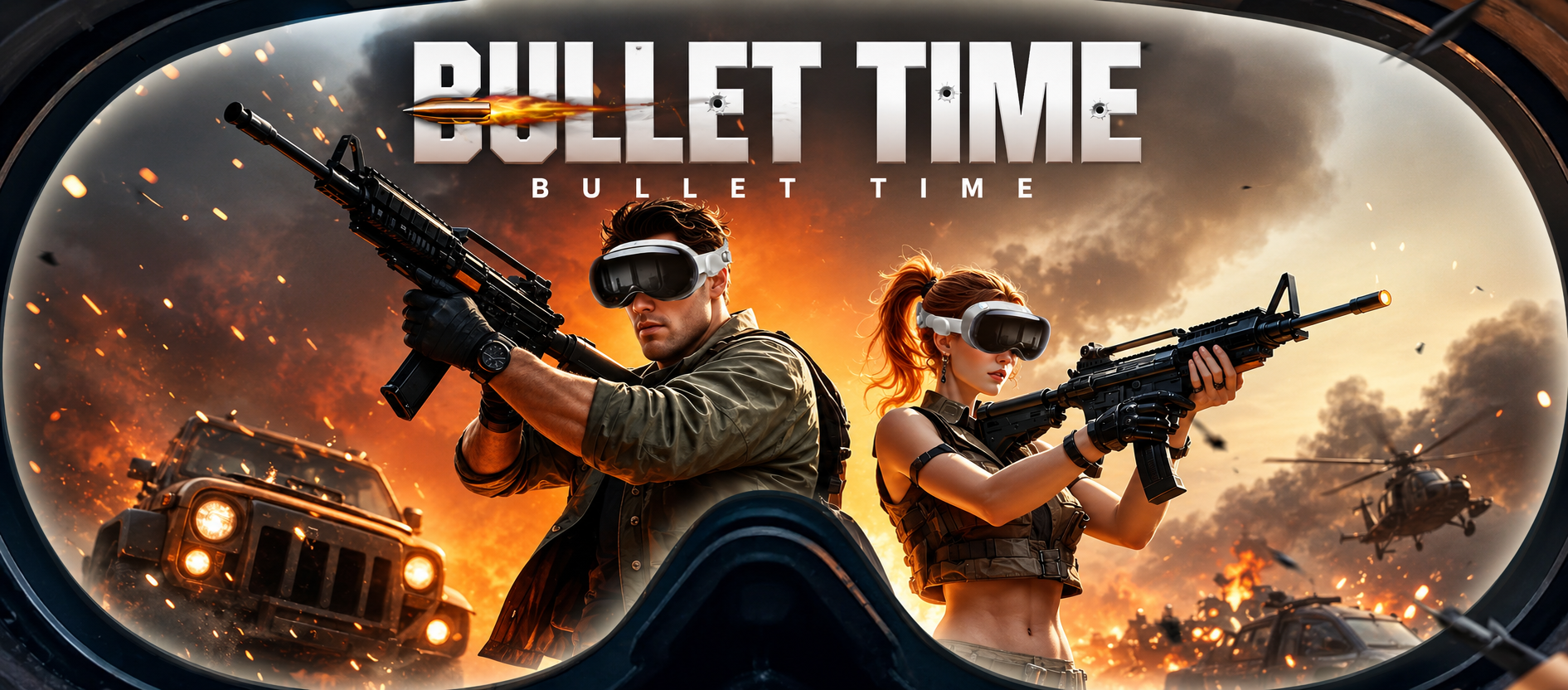
The trajectory for the virtual reality business remains exceptionally strong. Innovations like full-body haptic feedback, omnidirectional motion tracking, and photorealistic real-time rendering will continue to elevate immersion.
As younger, tech-native demographics grow, immersive multi-sensory experiences will become a mainstream choice for social leisure. Franchise operators who remain flexible, continuously adapt their game libraries, and lean into experiential value will be best positioned to lead the future of location-based entertainment.
Interested in Launching Your Own VR Business?
Explore high-performing VR arcade setups, commercial equipment, and franchise solutions today.
Visit HoloSpace VR