
Introduction to VR Free-Roam Arenas
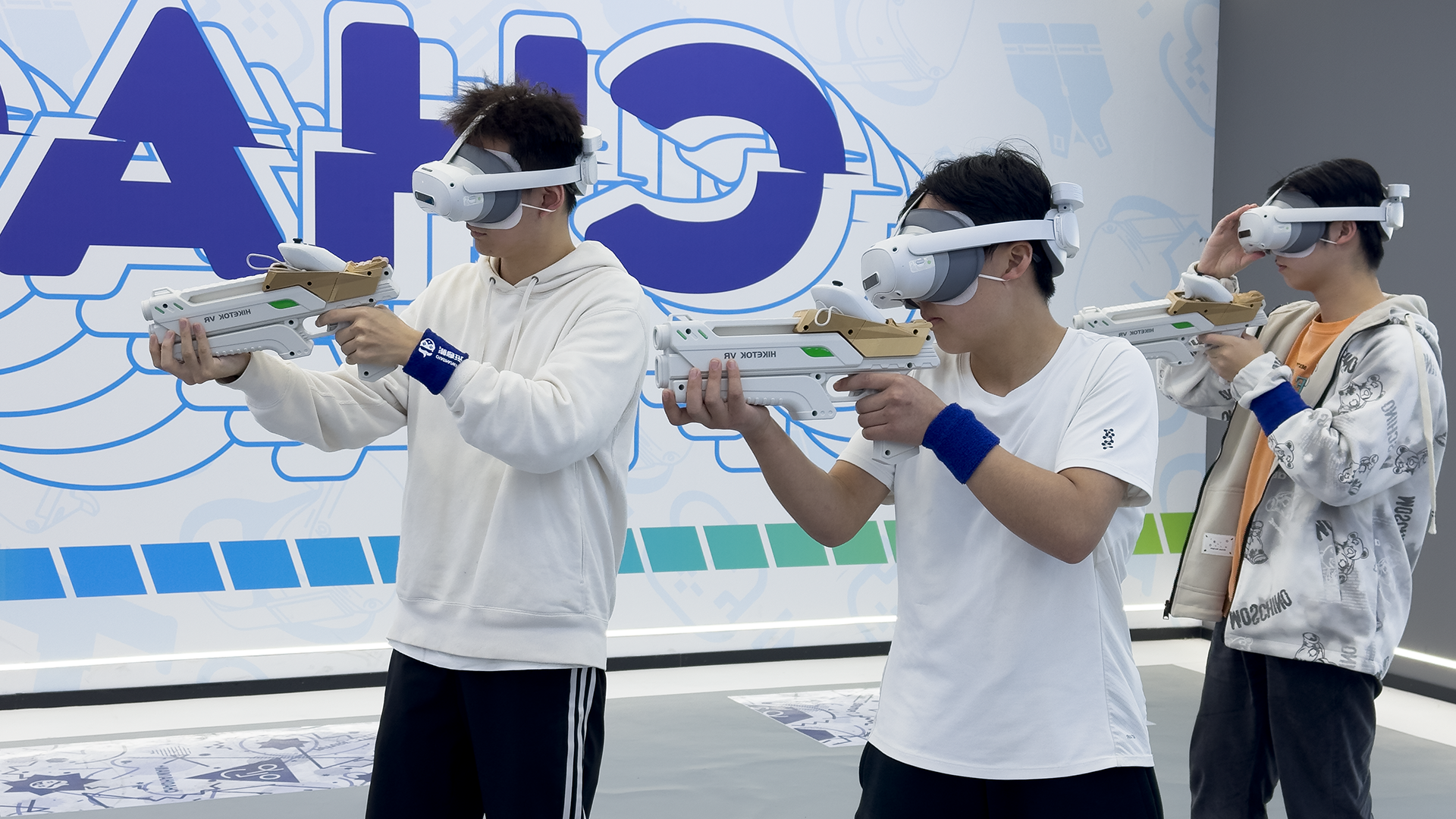
Virtual reality (VR) free-roam arenas represent a pioneering advancement in the realm of immersive entertainment, offering participants unique experiences that transcend traditional VR setups. Unlike conventional VR gaming, which typically confines players to a stationary area while donning headsets, free-roam arenas enable users to explore expansive environments. This innovation caters to the growing demand for interactive experiences that engage players physically and emotionally.
One of the key characteristics that set VR free-roam arenas apart is the vast, accessible space in which players can navigate freely. These arenas often encompass large square footage, allowing participants to walk, run, and interact with their surroundings with unparalleled freedom. Additionally, leading solutions like HoloSpace VR incorporate cutting-edge motion tracking technology, enabling the accurate translation of physical movements into the virtual world. This results in an astonishingly lifelike experience where the physical and digital realms seamlessly converge.
The burgeoning popularity of VR free-roam arenas can be attributed to their ability to cater to groups, making them perfect for social gatherings and team-building events. Friends, families, and corporate teams can engage in collaborative challenges or compete against one another in a shared virtual landscape. As a result, these arenas have become a hotspot for entertainment, drawing in audiences looking for novel ways to participate in VR experiences.
Moreover, VR free-roam arenas often feature diverse themes and game genres, ranging from sci-fi adventures to mystical explorations. This variety enhances their appeal, attracting a wide demographic of users, whether they are avid gamers or newcomers to the VR scene. By merging cutting-edge technology with engaging gameplay, these arenas are shaping the future of both gaming and entertainment as we know it.
How VR Free-Roam Arenas Work
VR free-roam arenas leverage an intricate combination of advanced technologies to deliver immersive virtual experiences that allow users to walk, run, and interact within expansive digital worlds:
Precision Motion Tracking: A network of strategic cameras and sensors precisely monitors player positions in real-time across the entire physical floor.
High-Resolution Headsets & 3D Audio: Visual and acoustic synchronization ensures players see crisp 360-degree landscapes with spatial 3D audio.
Multi-Player Environment Software: Central software manages real-time interactions, allowing multiple untethered players to collaborate or compete seamlessly.
System Synergy: The convergence of tracking systems, high-tier VR headsets, and specialized software creates a compelling framework for free-roam VR systems, redefining location-based entertainment.
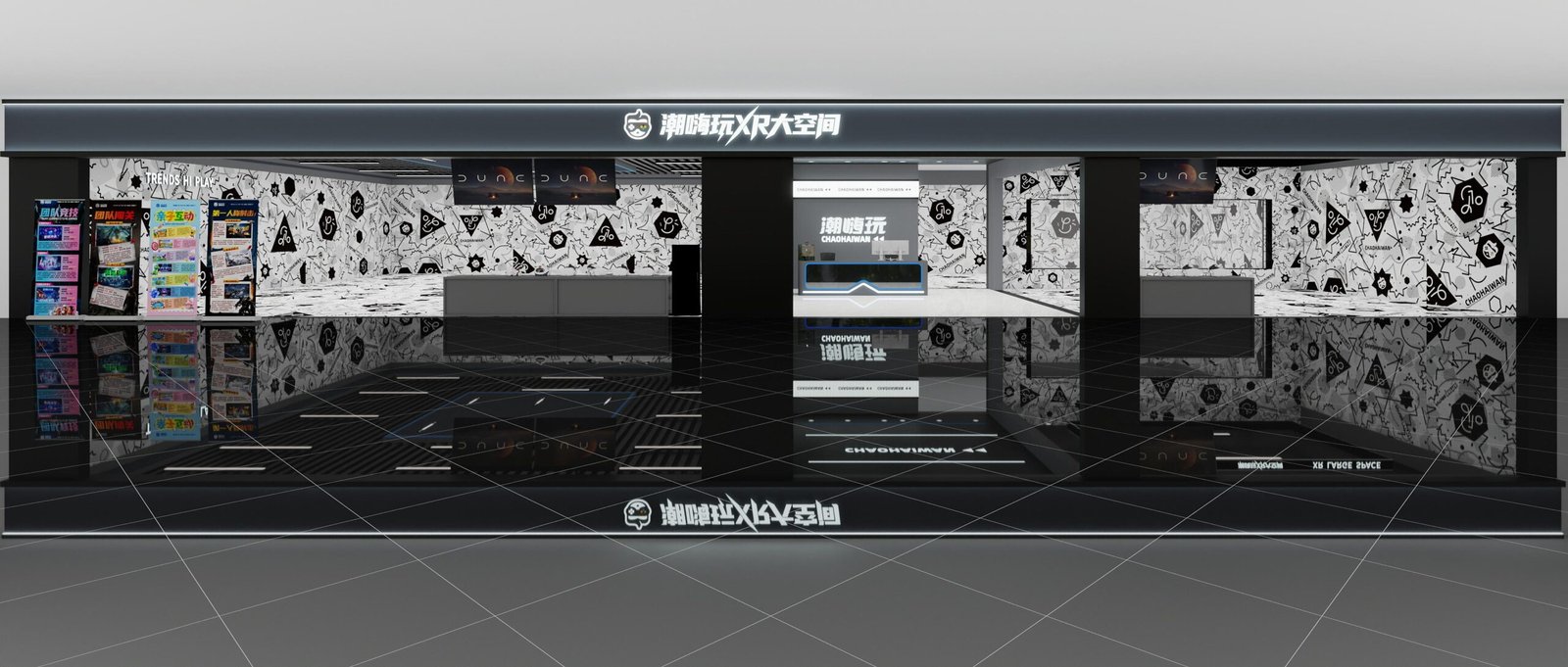
The Benefits of VR Free-Roam Experiences
Virtual reality free-roam arenas offer a multitude of advantages that distinguish them from conventional gaming approaches:
Physical Activity
Encourages active physical movement—walking, ducking, and dodging—promoting an energetic and health-conscious gaming lifestyle.
Social Interaction
Removes solitary gaming barriers, enabling friends, families, and corporate groups to strategize, communicate, and win together.
Total Immersion
Untethered room-scale exploration creates deep story engagement that stationary or home VR systems simply cannot match.
Popular Games and Experiences
Free-roam arenas enable players to fully engage with their surroundings across diverse gaming genres:
Holodia’s Holofit
A fitness-driven VR adventure incorporating physical exertion into gameplay. Users run, jump, and climb through rendered virtual worlds while getting a full workout.
The Walking Dead: Saints & Sinners
Developed by Skydance Interactive, this survival action game challenges players to navigate post-apocalyptic environments, make crucial plot decisions, and fight in free-roam combat.
Zenith: The Last City
An anime-inspired VR MMORPG offering a massive open world. Players explore landscapes, undertake quests, and engage in real-time multiplayer combat.
These experiences highlight the versatility of VR free-roam venue setups, satisfying fitness seekers, survival enthusiasts, and RPG fans alike.
Designing a VR Free-Roam Arena
Creating a commercial VR arena involves structured space planning and safety engineering:
- Spatial Requirements: Ideal physical footprints range between 1,000 to 2,500 sq. ft., giving ample room for untethered multi-player movement.
- Sensor Alignment & Technology Layout: Strategic optical or laser tracking placement prevents dead zones and integrates environmental lighting and audio.
- Safety Protocols: Risk mitigation through rounded obstacle corners, padded boundaries, flat floor grading, and trained guide staff.
- Spectator & Audience Area: Incorporating external viewing areas or spectator displays engages waiting guests and drives interest.

Challenges Facing VR Free-Roam Arenas
Operating a successful arena comes with operational and financial considerations:
Capital Investment
Commercial tracking setups, high-performance hardware, and facility customization demand clear budget allocation.
Real Estate Costs
Securing 1,000+ sq. ft. in high-foot-traffic commercial zones adds ongoing facility overhead.
Hardware Maintenance
Frequent physical use requires preventative maintenance and fast equipment rotation to eliminate downtime.
Future Trends in VR Free-Roam Arenas
The industry continues to advance rapidly alongside technical innovations:
AR & VR Convergence: Mixed reality (AR/VR) hybrid experiences will soon allow digital elements to overlay onto real physical objects, further blurring boundaries.
Advanced Haptic Feedback: Next-gen haptic vests, gloves, and props will simulate weight, force, and texture for unbelievable realism.
Enterprise & Training Applications: Expanding beyond gaming into immersive medical training, emergency simulation, and corporate team-building solutions provided by industry leaders like HoloSpace VR.
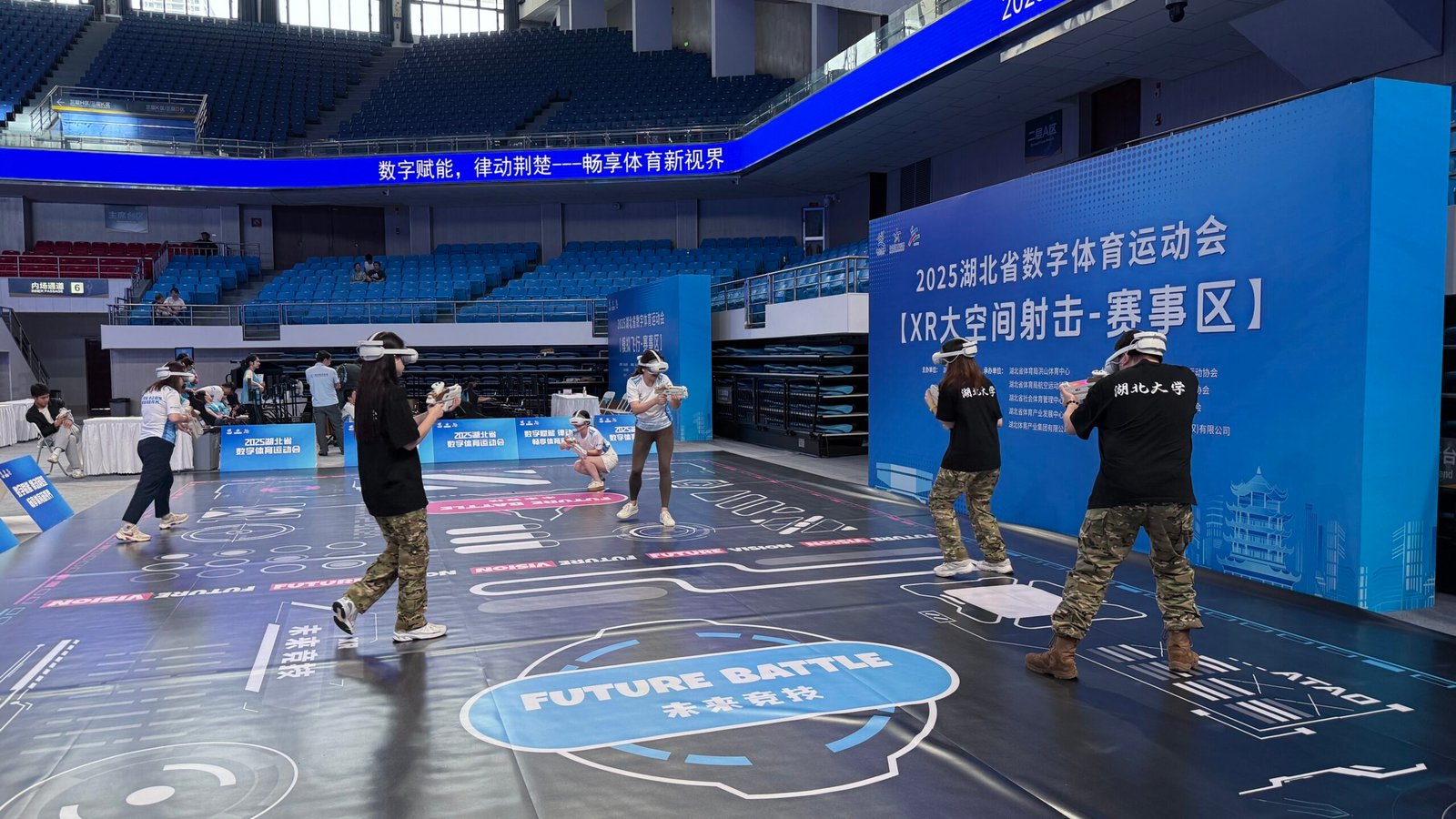
Case Studies of Successful VR Arenas
The VOID: A location-based VR pioneer that merged physical walls and environmental effects with digital worlds for major entertainment franchises.
Zero Latency: Global leader in warehouse-scale multiplayer VR, utilizing untethered backpack setups across worldwide entertainment centers.
Virtual Reality Adventures (UK): Differentiated itself by combining immersive narrative storytelling with free-roam mechanics to boost customer replay rate.
Conclusion: The Future of Entertainment
VR free-roam arenas mark a landmark shift in how audiences engage with digital content. By encouraging physical movement, social collaboration, and spatial freedom, these venues redefine location-based entertainment.
As technology matures with haptics, mixed reality, and smarter tracking, free-roam arenas are positioned to lead the future of group leisure, corporate training, and interactive storytelling.
Ready to Build Your Own Free-Roam VR Arena?
Discover turnkey commercial hardware setups, arena design, and game licensing with HoloSpace VR.
Explore HoloSpace VR Solutions