
Introduction to Location-Based Virtual Reality (LBVR)
1. Introduction to Location-Based Virtual Reality
Location-based virtual reality (LBVR) represents a unique intersection of physical spaces and digital environments, creating immersive experiences that set themselves apart from traditional virtual reality. Unlike VR systems that rely solely on headsets and controllers in a home setting, LBVR takes advantage of real-world locations—such as arcades, amusement parks, and dedicated venues—to enhance the sense of presence and engagement. By integrating physical elements, these experiences allow users to explore expansive environments where they can move freely, facilitating interaction with both digital and tangible components.
The emergence of LBVR has been driven by several key technological advancements. Innovations in tracking systems, wireless technology, and high-performance computing have paved the way for free-roam VR setups that permit users to traverse larger areas without being tethered to a fixed location. This freedom not only enriches gameplay but also enhances social interactions, making LBVR a popular choice for group activities. With a focus on teamwork and communication, VR escape rooms and other collaborative games have become particularly appealing, appealing to both seasoned gamers and newcomers alike.
This evolution in virtual reality is further reflected in the rising number of VR arcades, where enthusiasts of all ages can gather to experience a variety of LBVR attractions. The social aspect of these venues creates a different dynamic compared to solitary gaming experiences, leading to heightened excitement and engagement that drive repeat visits. As location-based virtual reality continues to gain traction, its influence on the entertainment landscape is undeniable, signaling a promising future where the boundaries between the digital and physical realms are increasingly blurred.
2. Understanding Free-Roam VR
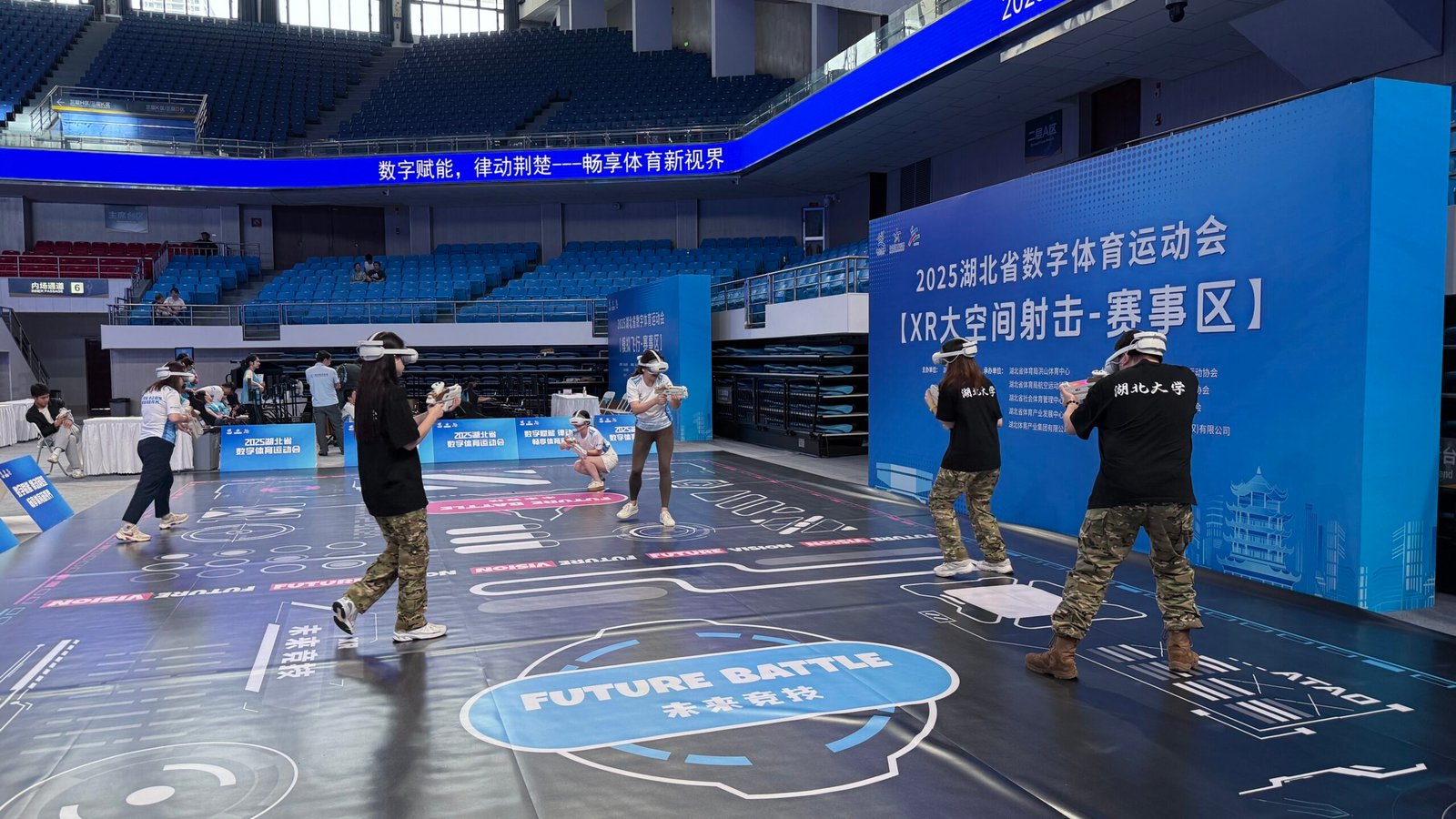
Free-roam virtual reality (VR) is a cutting-edge subset of location-based virtual reality that provides users the unique opportunity to immerse themselves in expansive digital worlds while moving freely within a defined physical space. Unlike traditional VR setups that often confine users to a stationary position, free-roam VR employs advanced technology to track the participants’ movements and enable interaction in a more liberated manner. This enhancement in mobility significantly enriches the overall VR experience by allowing users to physically walk, run, and explore a virtual environment, ultimately making the encounters more dynamic and engaging.
Key Insight: Free-roam VR breaks the boundaries of traditional home VR by combining optical tracking, untethered mobility, and physical arena boundaries for full physical immersion.
The core technology that facilitates free-roam VR is motion tracking, which utilizes sensors to detect the players’ physical movements within the designated area. This technology enables multiple users to participate simultaneously, fostering an environment of social interaction and collaboration, which is often central to the various experiences offered in free-roam VR. Popular examples of free-roam VR experiences include action-packed adventures, cooperative games, and even narrative-driven escapades that require players to work together to solve problems or complete challenges.
In free-roam VR, entertainment locations such as VR arcades and specialized venues have created a platform for these interactive experiences to thrive. Players can engage in diverse scenarios ranging from thrilling combat missions to elaborate escape room challenges. These experiences emphasize the importance of physical movement, as users must navigate, jump, and strategize against adversaries within the virtual realm. As technology continues to evolve, the capabilities of free-roam VR will likely expand, offering even more inventive experiences that engage users physically and socially, further enhancing the allure of location-based virtual reality.
3. The Rise of VR Escape Rooms
As technology continues to evolve, so do the experiences available to us. Among these innovations, VR escape rooms have emerged as a cutting-edge alternative to traditional escape room experiences. By employing location-based virtual reality, these immersive environments transport players into fantastical scenarios that blend entertainment with challenging puzzles.
In conventional escape rooms, players must solve a series of puzzles within a confined physical space to exit within a set time limit. However, with the advent of VR technology, the possibilities have expanded exponentially. Players in VR escape rooms can now explore stunningly designed virtual environments, from haunted mansions to futuristic space stations, while collaborating with teammates in real-time. This unique experience not only enhances the narrative aspect but also allows for a greater variety of puzzles that leverage the interactive potential of VR.
The appeal of VR escape rooms lies in their ability to deliver highly engaging gameplay. Participants are tasked with working together, combining their problem-solving skills in an exhilarating atmosphere that encourages teamwork. The challenges presented in these VR experiences are designed to test not only individual logic but also cooperative strategies, as players must communicate effectively to unravel the mysteries before them.
Furthermore, VR escape rooms attract a wide audience, appealing to both avid gamers and those simply seeking a unique outing. The free-roam VR aspect allows players to physically move within the space, simulating a sense of freedom typically missing from standard escape rooms. This blend of physicality and virtual reality results in an unforgettable adventure that draws players back repeatedly. As this genre continues to grow, it promises to redefine social entertainment landscapes and encourage new, creative avenues for interactive experiences.
4. Benefits of Location-Based Virtual Reality Experiences
Location-based virtual reality experiences, such as VR arcades and free-roam VR, offer numerous benefits that enhance the way individuals engage with technology and one another. One of the primary advantages is the level of social interaction these immersive experiences facilitate. Participants often join friends or family members in various challenges, fostering a sense of camaraderie and teamwork while navigating the virtual environment. This shared experience creates memorable moments that can strengthen interpersonal relationships.
Moreover, the engagement levels offered by location-based VR far exceed traditional gaming methods. By utilizing advanced technology and realistic simulations, players can become fully immersed in a captivating narrative. The sensory elements present in VR escape rooms, including visuals, sounds, and haptic feedback, work together to create an engaging atmosphere that holds the participants’ attention for longer durations. This heightened level of engagement not only results in more enjoyable play but also leads to increased retention of the experiences and skills learned during gameplay.
Another notable benefit of location-based virtual reality experiences is the physical activity involved. Unlike conventional gaming, which typically involves sedentary gameplay, free-roam VR encourages movement across expansive play areas. This physical engagement can lead to improved motor skills, agility, and coordination. Furthermore, engaging in such activities contributes positively to mental health by providing an outlet for stress relief. The cognitively stimulating puzzles and challenges found in VR escape rooms demand critical thinking and problem-solving skills, benefiting cognitive function. All these factors position location-based virtual reality experiences not just as a form of entertainment, but as a unique opportunity for social interaction and mental wellness.
5. Key Technologies Behind Location-Based VR
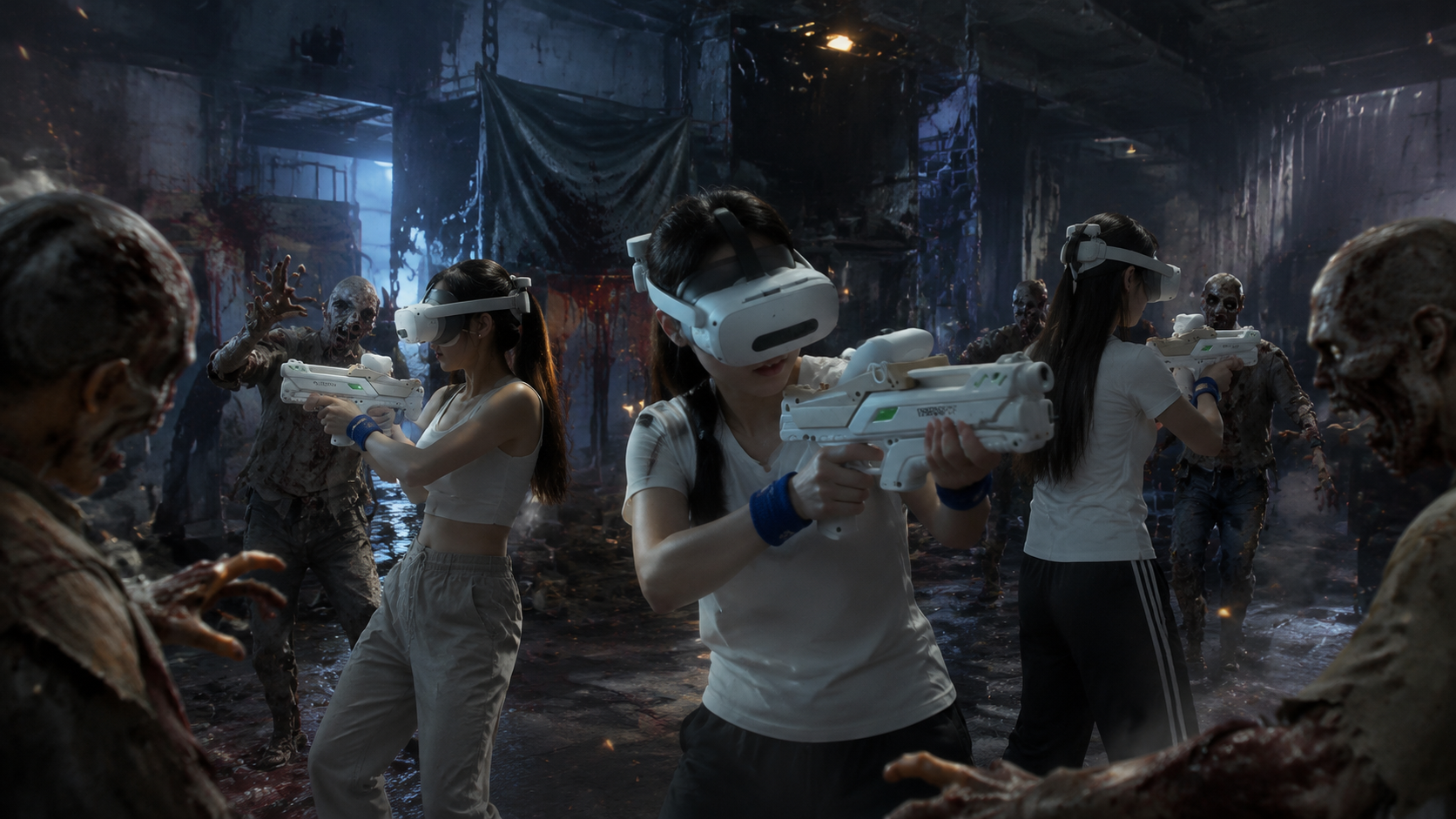
Location-based virtual reality (VR) relies on a combination of advanced hardware and sophisticated software to create compelling and immersive experiences for users. At the forefront of this technology are VR headsets, which provide the visual interface for users. Leading brands like Oculus, HTC, and Sony offer headsets equipped with high-resolution displays, integrated audio systems, and motion tracking capabilities. These features enable users to engage in realistic virtual environments, enhancing the experience of VR arcades and free-roam VR.
Alongside headsets, haptic suits have become increasingly popular in location-based VR applications. These suits utilize a series of sensors and actuators to provide physical feedback, making interactions within the virtual space feel more authentic. The integration of haptic feedback into VR escape rooms can elevate gameplay by simulating sensations such as touch, impact, or even environmental conditions, thus immersing players more deeply into the narrative.
Tracking systems are crucial components that ensure accurate movement in VR environments. These systems may use external cameras, sensors, or even advanced infrared technology to monitor user movements in real-time. In free-roam VR setups, users can move freely within designated areas, while remaining fully tracked, which is essential for maintaining immersive gameplay in various settings.
On the software side, VR development platforms and game engines play a pivotal role in creating these engaging environments. Platforms such as Unity and Unreal Engine provide developers with tools and frameworks to design and implement complex virtual experiences. These engines not only support graphics rendering but also facilitate physics simulation and artificial intelligence, ensuring that interactions within VR escape rooms remain dynamic and engaging.
Ultimately, the fusion of these key technologies creates the immersive experiences associated with location-based virtual reality entertainment, thriving within the realms of VR arcades and various other setups. For commercial operators looking to establish or upgrade their venue, utilizing turnkey commercial VR licensing models simplifies content deployment and hardware integration.
6. Comparing LBVR to Home-Based VR Systems
When considering the realm of virtual reality, the experiences offered by location-based virtual reality (LBVR) systems significantly differ from those provided by home-based VR systems. Each format has its unique advantages and drawbacks which can influence a user’s choice.
One of the primary advantages of LBVR, which includes offerings like free-roam VR and VR escape rooms, is the opportunity for shared social experiences. These environments are typically designed for groups, fostering a sense of community and collaboration among participants. In contrast, home-based VR systems often provide a solitary experience, limiting social interactions. While many platforms now support multiplayer options, these interactions often lack the same level of engagement and excitement typical of a physical space designed for immersive experiences.
In terms of equipment costs, LBVR setups can be more expensive due to the necessity of specialized technology and space that supports large-scale experiences, such as motion tracking and high-end hardware. However, participants do not incur the costs associated with purchasing or maintaining a complete VR system for themselves. On the other hand, home-based VR systems require an upfront investment in hardware, which can be a barrier for some users. However, once the initial costs are covered, ongoing expenses can be lower compared to frequently visiting VR arcades.
Immersion levels also vary significantly between the two. LBVR systems are designed to maximize sensory experiences through advanced technology and larger play areas, allowing users to move freely and interact with physical obstacles. This level of immersion can be more challenging to replicate in a home setting, where space constraints and limited tracking capabilities may diminish the experience. Therefore, while home-based systems offer convenience and accessibility, they often lack the comprehensive, immersive quality found in location-based solutions.
7. Future Trends in Location-Based VR
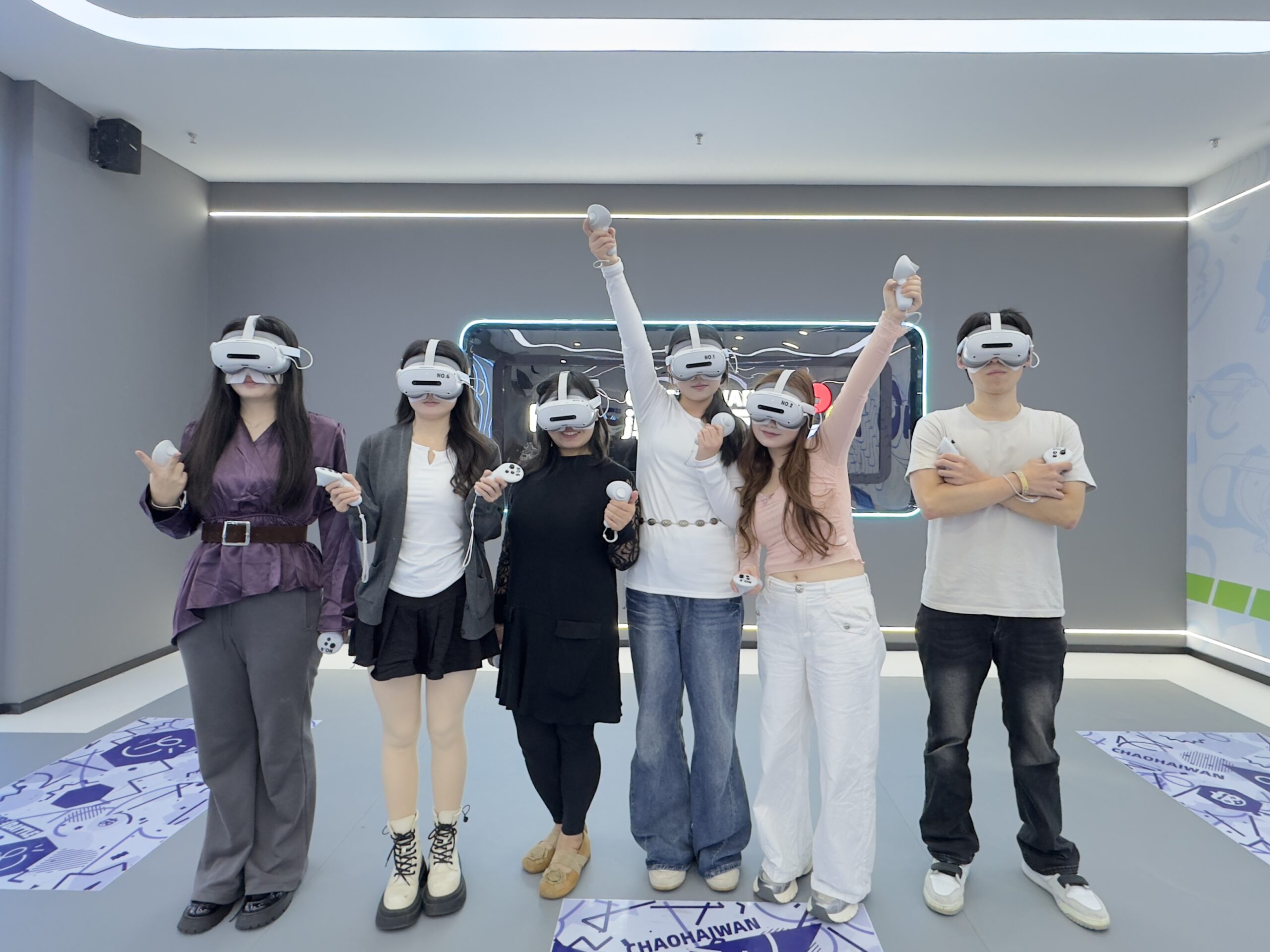
The realm of location-based virtual reality (LBVR) is evolving rapidly, propelled by advancements in technology and a growing interest from consumers. One of the most significant trends is the enhancement of VR arcades and free-roam VR experiences, which allow users to immerse themselves in expansive virtual worlds without the limitations of traditional VR setups. This freedom not only heightens the gaming experience but also attracts a diverse audience looking for thrilling adventures in a communal setting.
In addition to gaming, the applications of location-based VR are expected to expand into various sectors, including education and corporate training. Institutions can utilize VR escape rooms and similar setups to create engaging learning environments. By immersing students in interactive scenarios, educators can facilitate a deeper understanding of complex subjects, such as history or science. Furthermore, corporate entities may adopt VR for employee training, simulating real-life situations that improve skill sets without the risk associated with actual scenarios.
Emerging trends also indicate a rise in the integration of augmented reality (AR) with VR technologies, creating mixed-reality environments that can enhance user interactions. This fusion can transform the landscape of location-based VR, providing unprecedented opportunities for storytelling and user engagement. With advanced hardware developments, including lighter VR headsets and improved motion tracking, the overall user experience is set to become more seamless and intuitive.
As the industry progresses, locations that offer virtual experiences will likely incorporate more collaborative elements, where users can interact in shared virtual spaces in real-time. These trends paint a promising picture for the future of location-based VR, suggesting that it will play a pivotal role in shaping various aspects of entertainment, education, and training.
8. Finding and Choosing a Location-Based VR Venue
When exploring the evolving landscape of location-based virtual reality, it is crucial to select the right venue that aligns with your preferences and expectations. One of the first steps in this process is to evaluate the reputation of potential VR arcades. Online reviews, testimonials, and ratings on platforms such as Google or Yelp can provide insight into the quality of the experience offered. This preliminary research will help you identify venues that prioritize customer satisfaction and provide a unique and enjoyable virtual reality experience.
Next, consider the variety of experiences available at the venue. Different VR arcades specialize in distinct offerings, ranging from free-roam VR adventures to immersive VR escape rooms and other interactive gaming formats. Ensure the venue has a diverse range of experiences that cater to your interests, whether you prefer action-packed scenarios, puzzle-solving challenges, or cooperative gameplay. A venue offering multiple options can enhance the overall experience, allowing groups to choose what suits them best.
Price is another critical factor to take into account. While exploring your options, compare the pricing structures of various locations. Some venues may have all-inclusive packages, while others might offer pay-per-session rates. Be sure to understand what is included in the price—such as headsets, game options, and facility access—as this will help you avoid unexpected costs. Additionally, deals and promotions might be available, providing an opportunity to experience high-quality VR without exceeding your budget.
Lastly, prioritize safety measures implemented at the venue. Adequate hygiene protocols and well-maintained equipment are essential for a safe and enjoyable VR experience. Look for venues that have clear safety policies, thorough staff training, and well-maintained technology to ensure a positive visit. For entrepreneurs or venue owners seeking custom operational guidance, you can contact our specialist team to explore custom setup options.
9. Conclusion: The Impact of Location-Based VR on the Future of Entertainment
Location-based virtual reality (LBVR) is significantly transforming the entertainment landscape, offering experiences that go beyond traditional gaming. By integrating the immersive elements of virtual reality with physical spaces, venues such as VR arcades and free-roam VR setups create interactive environments that redefine how individuals engage with digital content. These experiences allow users to speculate and meld their physical movements with virtual actions, making gameplay more engaging and lifelike.
Moreover, the rise of VR escape rooms has introduced a unique avenue for social interaction and collaboration. Participants are required to work together to solve puzzles and challenges, fostering a sense of camaraderie and teamwork that is often lacking in solitary gaming experiences. This collaborative aspect of LBVR enhances not just the entertainment value but also the social bonds between participants, thus reshaping the nature of enjoying shared activities.
As technology continues to advance, location-based VR is poised for further evolution. We may see the emergence of increasingly sophisticated systems that incorporate artificial intelligence, enabling more personalized and adaptive gaming experiences. Additionally, advancements in hardware could lead to even more immersive virtual environments, enhancing the realism of scenarios offered in VR arcades and free-roam locations.
The lasting impact of location-based virtual reality on our social interactions and entertainment experiences is undeniable. As audiences become accustomed to these innovative engagements, the possibilities for content development and audience engagement expand immensely. Consequently, LBVR represents not just a trend but a fundamental shift in how we experience entertainment, emphasizing that the future may see more integrated and social gaming experiences, forever altering our relationship with technology.